

In Canada, the typical worker spends roughly one-fifth of their life on the job, and too often, that time comes with exposure to hazards that increase the risk of cancer. Recognizing this glaring issue, the Canadian Cancer Society (CCS) has stepped in with strategic, timely investment to tackle cancers rooted in the workplace.
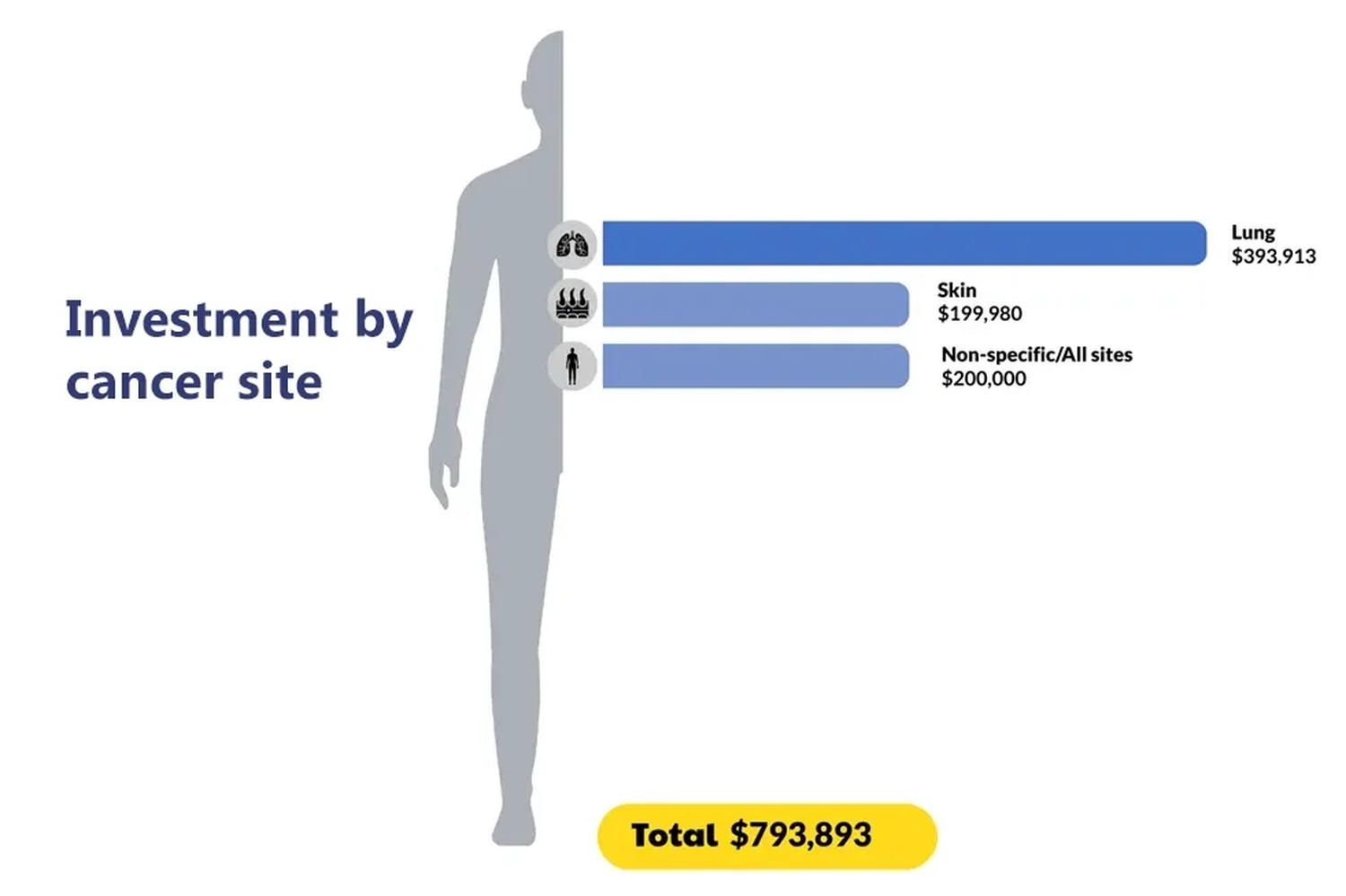
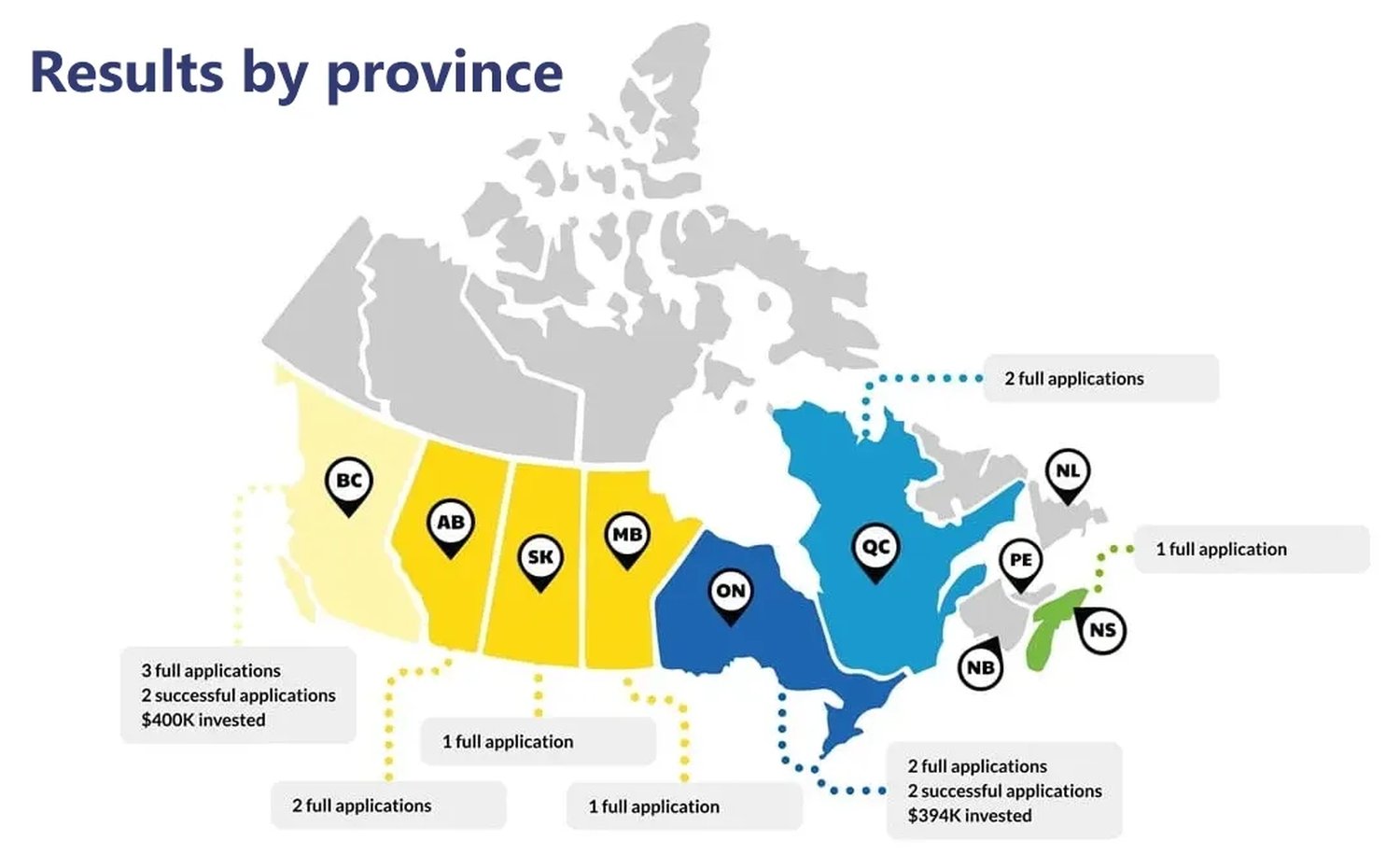
This year, through its Workplace Cancer Research Grants initiative, CCS awarded nearly $800,000 to four pioneering research projects aimed at identifying, preventing and reducing occupational cancers.
Addressing a critical gap
Despite an estimated 10,000 workers in Canada being diagnosed annually with work-related cancers, less than 1% of all cancer research funding is devoted to occupational exposures. In response, CCS has deliberately aligned its grants program with key workplace stakeholders — including labour unions and multiple workers’ compensation boards — to ensure the research is relevant, actionable and grounded in real‐world workplace contexts. Canadian Cancer Society
The four funded projects – where innovation meets necessity
- Healthcare workers and anti-cancer drug exposure
Led by Dr. Hugh Davies at the University of British Columbia, this study will develop novel biomonitoring to assess how much contact healthcare staff have with antineoplastic (cancer-treating) drugs — substances meant for patients, not inadvertently for workers. - Lung cancer screening for construction workers exposed to asbestos
Under Dr. Nathan DeBono’s team at Ontario Health, the focus is on building-repair and renovation workers who face asbestos exposure — analyzing screening uptake and health outcomes to boost prevention efforts. - Occupational lung cancer burden update
Led by Dr. Paul Demers, this research revisits outdated statistics (the last estimate linked 4,000 lung cancer cases per year to work exposures) and calculates the expected cases and costs in 2026, by substance and sector. - Skin cancer rates among outdoor workers
With outdoor workers facing triple the risk of skin cancer compared to indoor workers (yet tracking remains weak), Dr. Cheryl Peters’ team is mining medical records to quantify incidence, recurrence and cost — and steer prevention strategies.
Why this matters — and why the funding is pivotal
- Workplaces host known carcinogen exposures — from asbestos and diesel engine exhaust, to solar UV radiation and shift-work patterns.
- Understanding how and why these cancers happen is the first step toward prevention, improved screening and policy change. CCS emphasizes that with its grants: “These grants will help us understand how and why these cancers occur so that we can amplify our efforts to better prevent, detect and treat them – saving lives and keeping workers in Canada safe.”
- By partnering with workers’ compensation boards and unions, CCS ensures that research isn’t just academic — it links directly to workplace safety, health policy and the lived realities of workers.
The role of workers’ compensation boards and funding synergy
The successful delivery of these grants owes much to the collaboration between CCS and compensation stakeholders. Through the Workplace Cancer Research Fund, established in 2021, CCS engaged with 14 workers’ compensation boards and labour organizations to raise and direct funds into this under-served research area. For example, bodies such as WorkSafe BC, WSIB Ontario, WorkSafe Saskatchewan and WCB Yukon are listed among the organizations partnered in the funding announcement. Canadian Cancer Society
This synergy means that research findings can be translated more readily into actionable workplace interventions, compensation-board policy adjustments and industry-wide standards.
What’s next – and what this means for workplace health
- As these research projects progress, we can expect clearer evidence on exposure risks, improved screening frameworks for vulnerable worker populations and stronger data on the economic burden of occupational cancers — all of which bolster advocacy and regulatory reform.
- Employers and workplace health & safety professionals can anticipate evolving best-practice guidance informed by this research. For example, better biomonitoring in healthcare settings, enhanced lung screening protocols for construction workers, and targeted sun-protection strategies for outdoor crews.
- Because occupational cancer research has been minimal up till now, the magnitude of this investment marks a turning point — it signals that worker health and cancer prevention are gaining priority in research agendas and funding frameworks.
Conclusion
In summary, this fresh round of funding from CCS — through strategic collaboration with compensation and labour partners — is setting the stage for meaningful progress in understanding and preventing cancers caused by work. By shining a spotlight on neglected yet deadly risks, and linking research directly to workplace environments, we’re moving from awareness to action. Workplace cancer is not inevitable — and thanks to targeted funding, safer workplaces and healthier outcomes are within reach.
Figures below are representative of dollar value of investment:
For additional information, please visit cancer.ca